

Asphalt Overlay vs. Reconstruction: How to Choose the Best Long-Term Solution
Asphalt overlay and full reconstruction address different pavement problems. Learn how base conditions, traffic loads, drainage, and Omaha’s freeze-thaw cycles determine which repair makes the most sense for lasting results.
September 1, 2026
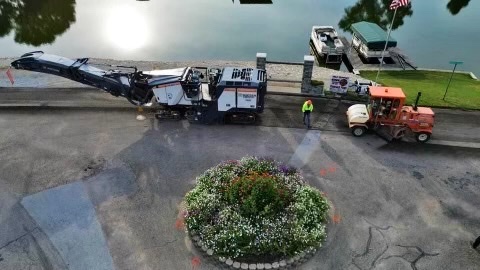
Two lots can show the same cracks and need completely different repairs. The surface alone doesn’t reveal which one applies. What matters sits below it: a sound base calls for an overlay, while a failing base demands reconstruction. In Omaha, where freeze-thaw cycles drive moisture and damage deeper into the pavement, that answer decides whether a repair holds for a decade or fails within a year.
What an Asphalt Overlay Does
An overlay works from the surface down. Crews mill away the top inch or two of worn asphalt, then place a fresh wearing course over the layers left behind. It resets the surface without touching the structure underneath, so it only works when the base still spreads traffic load evenly.
That condition is the whole test. If the base holds, an overlay restores the pavement quickly and cheaply. If the base has started to move or break down, a new surface simply hides the problem until it resurfaces.
What Full Reconstruction Involves
Reconstruction starts at the bottom. Crews remove the failed pavement down through the base, correct the subgrade beneath it, and compact new aggregate before any asphalt goes down. That grading and subgrade work shapes how the rebuilt section performs for years, as much as the asphalt placed on top.
Where an overlay resets a surface, reconstruction rebuilds the structure holding it up. The two repairs answer two different problems, and choosing between them starts with knowing which one is actually present.
How Crews Decide Between an Overlay and Reconstruction
The decision begins with a hard look at the base. Crack patterns, drainage issues, settlement and core samples reveal whether the damage stops at the asphalt or reaches the aggregate base and subgrade. A stable, properly compacted base supports a new wearing course. Movement or deterioration deeper in the pavement points straight to reconstruction.
Omaha winters raise the stakes. When moisture reaches the base and freezes, it expands, then thaws and drains away, loosening the material a little more with each cycle. A base that looked sound on the surface can carry hidden weakness that only a proper assessment uncovers. Milling gives crews one more look once work begins: a solid layer beneath the removed asphalt can stay in place, while newly exposed deterioration pushes the scope deeper. OMNI Engineering’s own guide to asphalt milling covers that process in more depth.
How Traffic Loads Change the Math
Delivery trucks, waste haulers and snowplows punish a surface far harder than passenger cars ever do, and that weight often settles the decision. A retail lot or light commercial site carrying mostly passenger traffic and occasional deliveries makes a strong overlay candidate, since a sound base under moderate wear rarely deteriorates further.
Municipal streets and busy commercial lots tell a different story. Repeated heavy axle loads fatigue the base, and an Omaha winter accelerates that fatigue in ways a light-duty site never sees. A base built for passenger cars will not hold up under a loaded truck, so traffic history belongs in the decision right alongside core samples and drainage.
How Costs and Timelines Compare
Once the assessment settles which repair fits, cost and schedule follow directly. An overlay moves fast because it skips subgrade correction, often returning a lot or a stretch of road to traffic within a day or two after milling and paving wrap up. Reconstruction adds excavation, subgrade correction and aggregate compaction ahead of the new asphalt, stretching the timeline to several days or more depending on the size of the section.
The lower price of an overlay only holds when the base is sound. On a base that has already failed, that path means paying for the same repair twice inside a year. That is why the real savings come from matching the repair to the condition, not from picking the cheaper line item.
Choosing the Repair That Lasts
The condition beneath the surface decides everything. Traffic loads, drainage and Nebraska’s freeze-thaw cycles all shape that condition, which is why two lots with matching cracks can call for very different fixes. The surest way to know which repair fits is a pavement assessment done before any budget gets committed. OMNI Engineering can schedule that evaluation ahead of the next paving season, so the decision rests on what the base is actually doing rather than what the surface appears to show.
Frequently Asked Questions
How Long Does an Asphalt Overlay Last?
A well-built overlay typically lasts eight to 15 years, depending on how sound the base was at the time of paving. An overlay placed over a base that tested stable lands at the higher end of that range, while hidden weakness from Omaha’s freeze-thaw cycles shortens it. Traffic matters too: a light commercial lot usually gets more years than a municipal street carrying regular truck and snowplow loads.
Can New Asphalt Be Placed Over Cracked Asphalt?
Yes, but only when the cracking stays on the surface and the base below is still stable. Thin, isolated cracks usually mean the lower layers still carry load evenly, which is exactly what an overlay addresses. Cracking that keeps returning after patching, or that shows up alongside rutting and soft spots, signals a base that has broken down. Paving over that damage resets the problem briefly before it comes right back.
When Is Reconstruction Necessary Instead of an Overlay?
Reconstruction is the answer when the failure reaches the base or subgrade. Widespread cracking, rutting, settlement and recurring drainage problems all point to structural damage no surface repair can fix. If core samples show movement or deterioration below the asphalt, rebuilding from the base up is the only repair that lasts.
How Do Omaha’s Freeze-Thaw Cycles Affect the Decision?
They tip more repairs toward reconstruction than a milder climate would. Water that reaches the base freezes, expands and thaws through winter, weakening the material with each cycle. Poor drainage makes it worse. A base already loosened by freeze-thaw damage will not support a new overlay for long, which is why moisture and base condition weigh so heavily in Omaha.
Is an Overlay Always the Cheaper Option?
Only when the base is sound. An overlay costs less up front and returns the pavement to service faster, but that savings disappears if the structure underneath has already failed. In that case, the repair fails within a year and the same cost comes due again. Over the full life of the pavement, the cheaper choice is the one that matches the base condition.