

Asphalt Sealcoating vs. Crack Sealing: What’s the Difference?
Sealcoating and crack sealing protect asphalt in different ways. Learn when to use each treatment, why timing matters, and how both help maintain pavement in Omaha.
October 1, 2026
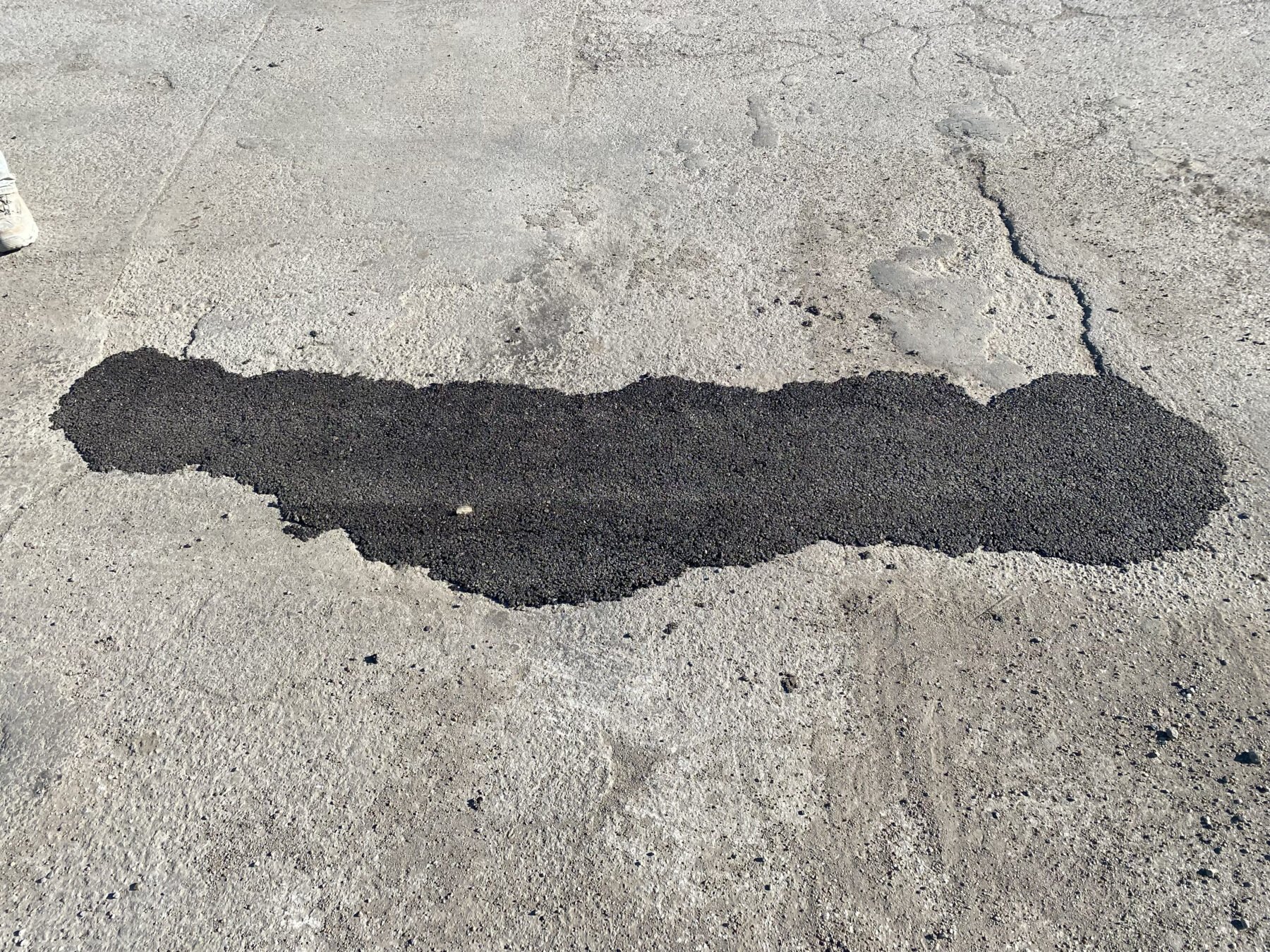
Sealcoating and crack sealing are often discussed together because both help protect asphalt pavement, but they do not do the same job. Crack sealing targets the individual openings that let water and debris move below the surface, while sealcoating protects the pavement above by covering it against sun, moisture, oil, and fuel exposure. Understanding where each treatment works makes it easier to decide which one a pavement surface needs and when it should be applied.
What Does Asphalt Sealcoating Do?
Asphalt sealcoating is a thin coat of asphalt emulsion spread across the entire paved surface. It shields the top of the pavement from UV exposure, water, and the oil and fuel that drip from parked vehicles. Left uncovered, that exposure dries out the binder holding the surface stone in place and turns fresh black asphalt a pale, chalky gray.
Because the coating is so thin, it cannot bridge an open crack. Once cured, the emulsion is too stiff to stretch with a crack as the pavement expands and contracts, so the gap reopens through the new coat. Sealcoating fits pavement that is still sound and mostly intact, where the goal is slowing wear across the whole surface.
What Does Crack Sealing Do?
Crack sealing handles the individual openings that lead down into the pavement, below the reach of a surface coating. Each crack gets cleaned, and routed when needed, so a hot-applied rubberized sealant can bond directly to the crack walls. Once set, that sealant stays flexible through temperature swings and keeps water and grit from working down toward the base.
Cracks with clean, defined edges give the sealant solid walls to bond against, while width and movement determine how the crack should be prepared and filled. Linear cracks running along or across drive lanes are common candidates for the process, particularly before the surrounding pavement begins breaking apart. Once sealed, those cracks can remain protected for several years before movement and weather exposure make another treatment necessary.
Should Crack Sealing Come Before Sealcoating?
When a lot is due for both treatments, crack sealing comes first, since the two cover different ground. The sealant needs time to set, and filled cracks give the sealcoat a continuous surface to cover instead of a pattern of open gaps. That order closes the paths water takes into the pavement first, then protects the surrounding surface from continued exposure.
When Is the Best Time to Crack Seal or Sealcoat?
Spring and fall bring the moderate temperatures that crack sealing needs. At those temperatures, cracks sit roughly in the middle of their seasonal width, so the sealant cures without getting stretched by winter contraction or squeezed out by summer expansion.
Fall sealing pays off in Omaha, where winter brings repeated freeze-thaw cycles and regular use of deicing chemicals on lots and streets. Chloride brine from those chemicals seeps into open cracks and weakens the bond between binder and stone, so cracks closed before the first snow keep that brine at the surface all winter.
Sealcoat runs on a different calendar. The emulsion cures as its water evaporates, so it goes on when pavement and air temperatures sit at 50°F or above and rising, with no rain expected for 24 hours. The lot then stays closed to traffic until the coat sets. Late spring through early fall usually offers that window, with enough lead time for spring crack sealing to cure first.
How to Tell Which Treatment a Lot Needs
Beyond timing, the surface itself usually points to the right treatment. Asphalt that has faded from black to gray, with loose stone collecting along the drive lanes, has lost surface binder and is ready for sealcoating. Distinct cracks with clean edges call for crack sealing, and many lots show both at once.
Alligator cracking and potholes sit past what either treatment reaches. Those areas need repair before either maintenance treatment is applied.
How Sealcoating and Crack Sealing Work Together
A maintenance plan works best when each treatment reaches the pavement condition it was meant to address. Crack sealing closes individual openings before water can continue moving below the surface, while sealcoating covers the surrounding asphalt after those cracks have been treated. Scheduling both around pavement condition and weather keeps one treatment from being asked to do the job of the other. OMNI Engineering provides crack sealing and sealcoating throughout the region and can evaluate which areas need attention before the next maintenance season. Request a quote to start planning the work.