

What Is Cold Mix Asphalt and How Does It Work?
Cold mix asphalt offers a practical solution for repairing potholes and localized pavement damage without heating equipment. Learn how it works, why compaction matters, and when it's the right choice for a lasting repair.
October 15, 2026
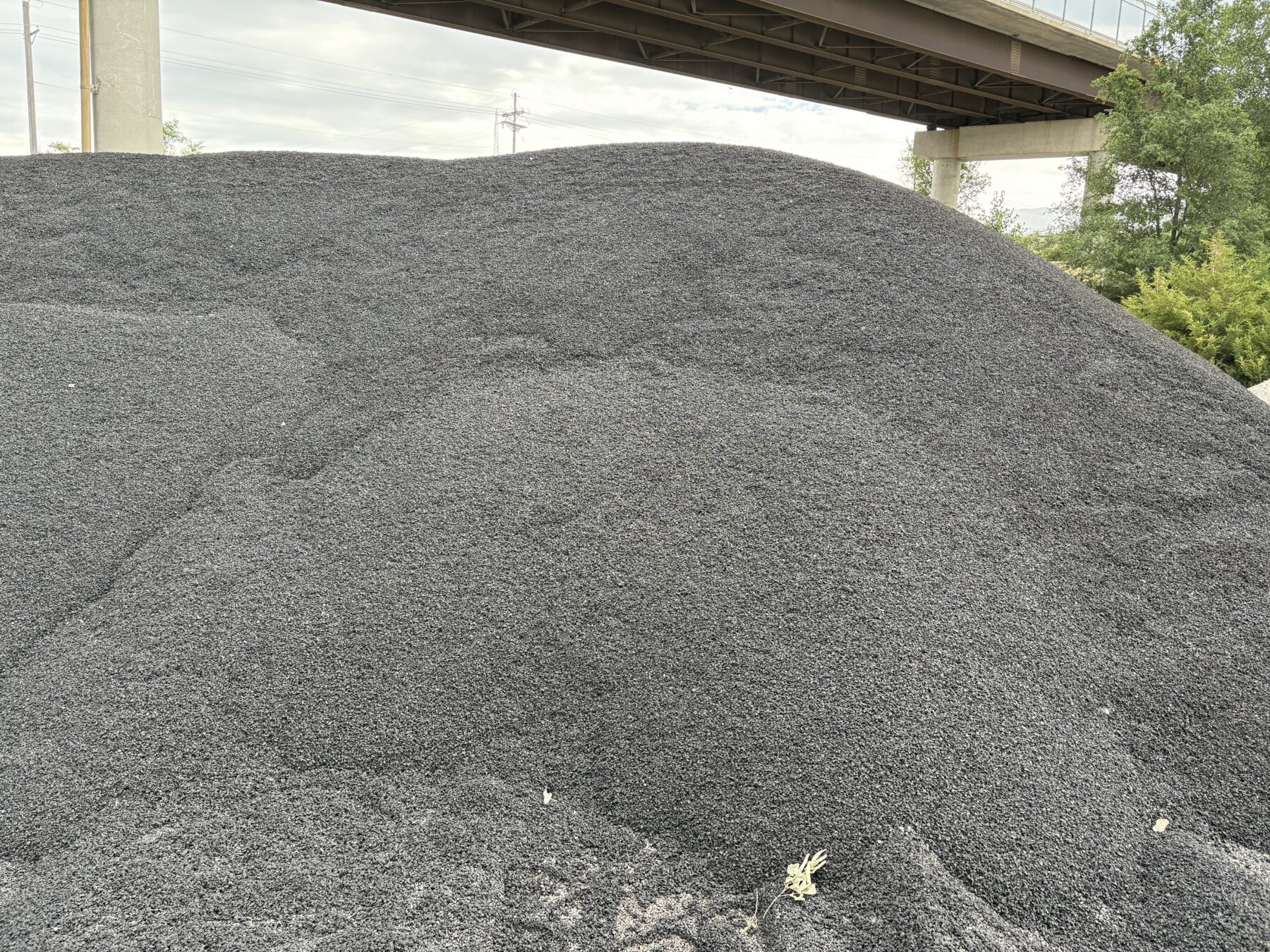
Potholes and crumbling pavement are common on driveways, parking lots and other paved surfaces. When the damage is contained to a specific area, cold mix asphalt, also called cold patch asphalt, is one material used to fill and stabilize those spots.
What Is Cold Mix Asphalt?
Cold mix asphalt is made up of the same basic materials as any other asphalt surface: stone aggregate and a sticky asphalt binder that holds it all together. What sets it apart is how the binder is formulated.
Traditional hot mix asphalt is heated at a production plant, then hauled, spread and compacted while it’s still hot. Once it cools, it hardens and becomes difficult to work with.
Cold mix gets its name because it skips that heating step. Manufacturers formulate the binder to stay soft and workable at outdoor temperatures, using solvents, emulsifiers or other modifiers depending on the product. The material can be placed directly into a damaged area without heating equipment on site.
How Does Cold Mix Asphalt Work?
When you place cold mix into a damaged area, the soft binder allows the coated stones to conform to rough, uneven edges that a harder material wouldn’t fill. That pliability is what lets cold mix take the shape of a pothole rather than simply bridging over it.
Compaction is what gives the repair its strength. Pressing the mix down forces the stones together until they lock against one another, creating a structure that can support weight and resist shifting under traffic. A loosely placed patch leaves air pockets that allow stones to move, and tires can work them loose over time. Proper compaction eliminates most of that movement.
After compaction, the patch continues to firm up. In solvent-based products, the solvent gradually evaporates. In emulsion-based products, the water separates from the binder. Either way, the binder stiffens and helps the patch grip the surrounding pavement. This is the fundamental difference between cold mix and hot mix: hot mix hardens as it cools from plant temperature, while cold mix firms up through these slower chemical and physical processes, without any heating equipment required.
How well a repair holds depends on the product formulation, the condition of the surrounding pavement and how thoroughly the mix is compacted. Cold mix can only bond to solid edges, so pavement that is crumbling or structurally compromised around the damaged area limits what any patch material can achieve.
Why Cold Mix Asphalt Works for Smaller Repairs
Cold mix asphalt is practical for smaller repairs because it doesn’t require a paving crew, a hot asphalt truck or specialized heating equipment on site.
For property managers and small business owners, that same accessibility applies to localized problems that don’t warrant a full paving project.
When Cold Mix Asphalt May Not Be the Right Choice
Cold mix asphalt works best on contained, localized damage. Widespread deterioration or large failed sections may require a different approach.
For localized pavement damage where the surrounding surface is still in reasonable condition, cold mix asphalt is often a practical starting point. OMNI Engineering supplies asphalt materials, including cold mix, for residential and commercial pavement repairs. Understanding how the material works helps you determine whether it fits the repair at hand.