

Why Concrete Projects Fail in Warm Weather and How to Prevent It
Concrete reacts differently when temperatures climb above 85 degrees, and the effects can show up on the surface within hours of placement. Hot afternoons paired with dry wind across open ground draw moisture out of the surface faster than bleed water can replace it, producing plastic shrinkage cracks, weakened paste, and a finishing window that closes ahead of schedule. Each of those outcomes traces back to specific choices made at the batch plant, on the placement deck, and through the curing window.
July 14, 2026
What Heat Does Inside the Mix
Hydration is an exothermic reaction, so cement paste generates its own internal heat as it sets. Add ambient temperatures above 85 degrees and the chemistry accelerate, which means initial set arrives sooner, slump drops faster, and the finishing window collapses. Crews then face a choice between rushing the finish or tempering water at the slab, and adding water on site shifts the water-to-cement ratio in ways that weaken the hardened concrete.
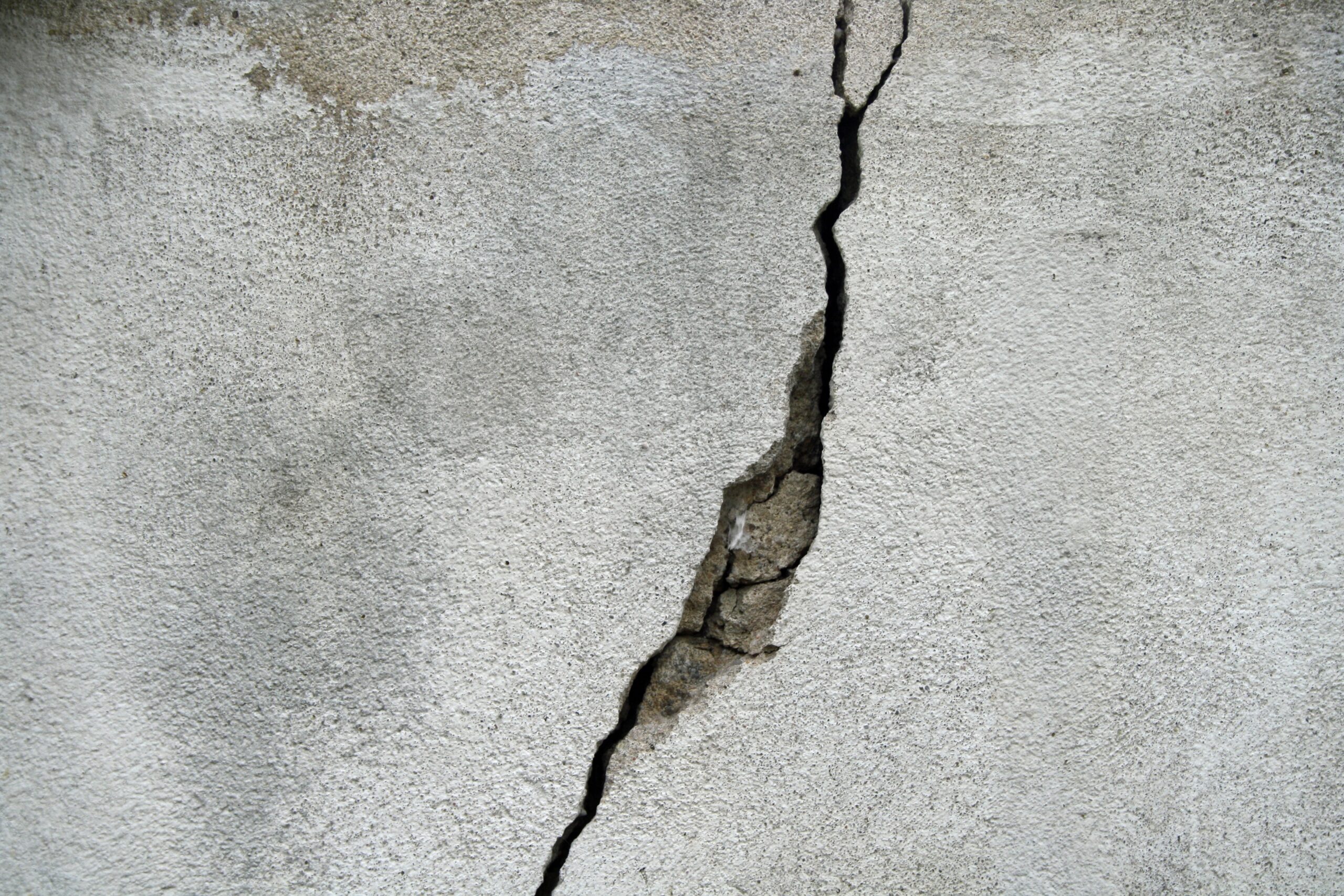
On the surface side, evaporation creates the second failure mode. Once the evaporation rate climbs above the bleed rate, the top of the slab dries before it can finish, leaving plastic shrinkage cracks that often follow the rebar below. Wind speed, low relative humidity, and direct sun each push that evaporation rate higher, and a hot summer afternoon can deliver all three at once.
Mix Adjustments That Hold Up to Summer Conditions
Cement content and aggregate temperature both carry weight when the forecast climbs. Replacing a portion of cement with fly ash or slag cement lowers the heat of hydration and extends the working window without giving up finish-grade compressive capacity. Aggregate stockpiles can be shaded or sprinkled before batching so the coarse fraction enters the truck cooler than the surrounding air, dropping the delivered concrete temperature by several degrees.
Beyond cement substitutions, set-retarding admixtures pull the initial set back to give finishers room to consolidate and edge the slab properly. The dose has to match haul time and ambient temperature, so steady communication between the batch plant and the placement crew keeps the mix in spec from the chute to the screed. That coordination is one reason a well-managed pour arrives ready for placement rather than chasing the clock.
Timing, Site Prep, and Placement in the Heat
Placement schedules carry as much weight as the mix itself. Pours that start before 7 a.m. or push into the evening avoid the worst radiant heat and let crews finish the slab while the surface is still cool enough to hold moisture. Subgrade and form temperatures matter too, and pre-wetting the base right before discharge keeps the bottom of the slab from drinking moisture out of the fresh pour.
On open sites, wind protection earns its place in the daily plan. Temporary windbreaks, fog sprayers near the screed, and evaporation retardants applied right after strike-off slow the moisture loss that drives plastic shrinkage cracking. For sidewalks, driveways, curbs, and flatwork, those site adjustments separate a slab that finishes clean from one that needs callback work.
Curing That Protects the Surface and Strength
Curing has to start the moment finishing ends. Membrane-forming curing compounds applied at the manufacturer’s full coverage rate seal the moisture the mix needs for continued hydration, and wet burlap or curing blankets extend that protection through the first 72 hours when most early strength gain happens. Cutting curing short in summer is the single largest reason warm-weather slabs fail to meet compressive strength requirements at 28 days.
Once curing is in place, joint sawing has to keep pace with how fast the concrete is setting. Cutting too early ravels the joint edge, while cutting too late lets random cracks form ahead of the saw. Experienced crews monitor surface hardness and ambient conditions throughout the afternoon to ensure the saw arrives in the narrow window that produces a clean joint and a controlled crack path
Mix design, placement scheduling, evaporation control, and curing protocol each govern a distinct phase of the warm-weather slab’s first 72 hours, and coordinated planning across all four is what produces a finished surface that meets specification at 28 days. Sidewalks, driveways, curbs, gutters, ramps, and foundation pours each respond to that coordination when ambient temperatures and wind exposure climb. Contact OMNI Engineering to schedule a summer concrete project specified, placed, and cured against the conditions on the day of the pour.