

Permeable Paving Options: Gravel and Stone Solutions for Stormwater Management
Effective stormwater management is shaping the way modern sites are designed, and permeable paving has become a dependable method for keeping water under control without sacrificing surface stability. Gravel and stone systems support this goal by combining structural reliability with built-in filtration, creating surfaces that manage runoff while maintaining their integrity through seasonal changes. Their performance makes them a strong fit for projects that want to balance environmental responsibility with long lasting function.
November 24, 2025
How Gravel and Stone Create Permeable Performance
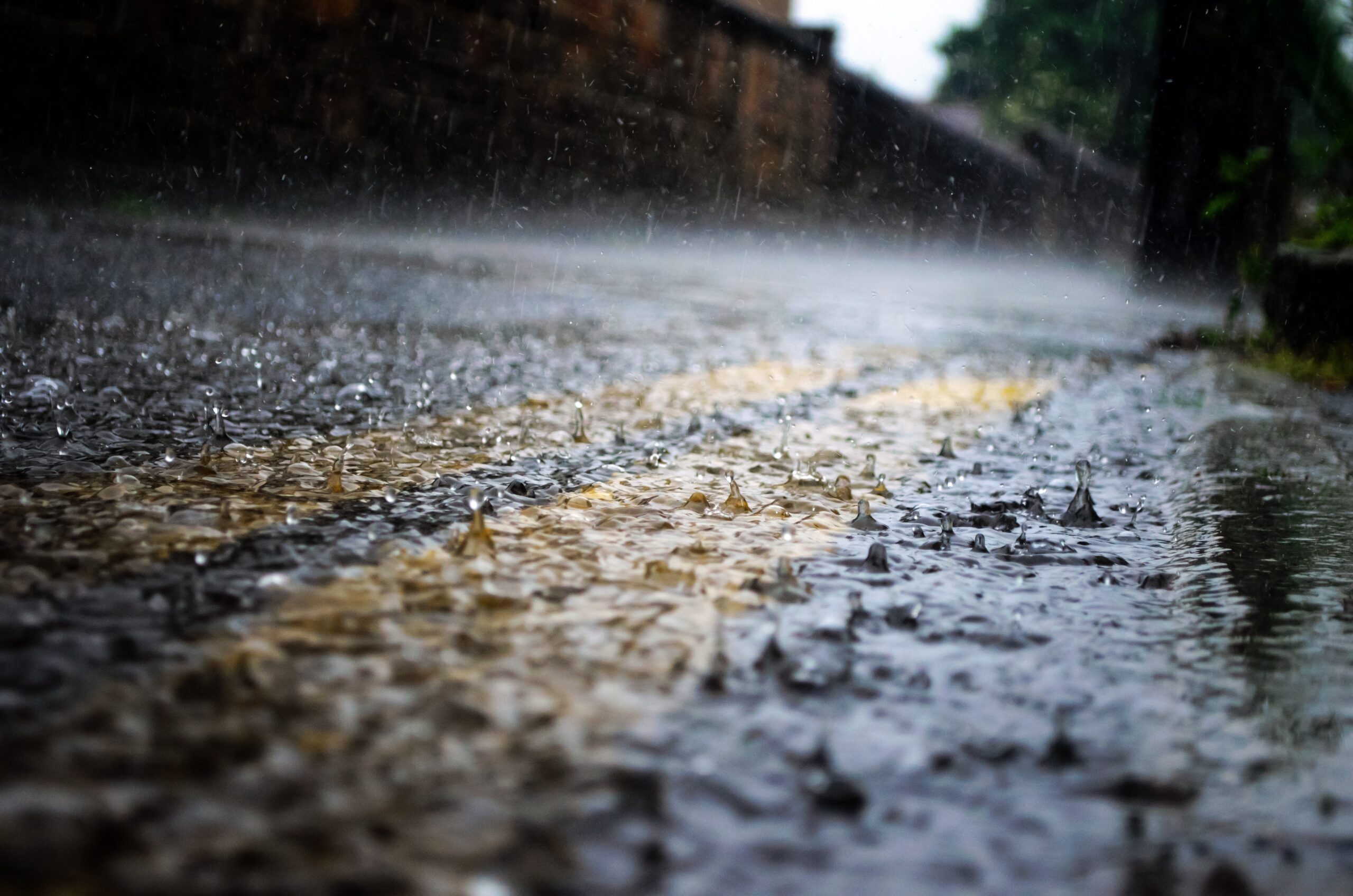
Permeable paving works by allowing water to move through the surface instead of across it. Gravel and stone naturally create channels within the pavement profile, guiding stormwater into the layers positioned beneath. As water infiltrates, these voids slow the flow, filter sediment, and direct it into the soil at a controlled rate. This controlled movement helps reduce pooling and eases the load on surrounding drainage infrastructure.
The success of the system depends on the relationship between particle size and placement. When the aggregate blend features open graded stone, it supports stability while protecting the permeability needed for consistent drainage. This balance encourages dependable compaction without closing off the structure. With this approach, the surface maintains a firm feel under foot and vehicle traffic while still channeling water into the base rather than letting it accumulate at the top.
Constructing Permeable Walkways with Aggregates
A permeable walkway begins with a uniform excavation that sets even depth across the project footprint. Establishing a consistent grade prepares the subgrade to receive the open graded base, which serves as both storage layer and structural foundation. This layer holds incoming water long enough for infiltration to occur while giving the surface the strength needed for daily use.
Once the base is placed, a finer layer of open graded stone builds the walking surface. Under compaction, the material interlocks while preserving the gaps required for infiltration. Edging elements help preserve the structure as the surface settles, maintaining a clean outline along garden beds, patios, or common areas. When debris is cleared periodically, the stone retains its ability to absorb water, which keeps the path responsive through shifting seasons.
Designing Driveways that Direct Water Effectively
Permeable aggregate driveways use the same principles but rely on added depth to handle the weight and volume associated with vehicles and heavier storm events. A deeper open graded foundation forms the reservoir that collects, holds, and slowly disperses water. This layer protects adjacent buildings, landscaping, and utilities by directing stormwater downward instead of outward.
The surface stone completes the driving profile by creating a stable platform that still encourages rapid infiltration. This structure supports drainage during rainstorms and helps manage winter conditions, since meltwater can move through the aggregate rather than freeze at the surface. Routine maintenance keeps the driveway functioning at full capacity, mainly by removing organic buildup so the openings within the stone remain clear.
Building Sustainable Site Function with Permeable Aggregates
Projects that use permeable gravel and stone gain a surface that manages water efficiently while staying aligned with long term performance expectations. The materials support traffic, promote filtration, and maintain a finished appearance that blends easily with surrounding features. Their natural ability to integrate structure and drainage offers project teams a practical path toward sustainability.
Selecting the right aggregate blend and building the system with care ensures dependable results. Local material providers bring valuable insight into stone sizes, gradations, and installation sequences that work best in regional soils and weather patterns. With guidance informed by both engineering knowledge and on-site experience, each paving project gains a foundation built for controlled water movement and consistent stability.