

How to Properly Install and Maintain Cold Mix Asphalt
Learn how to apply cold mix asphalt for pothole repairs, from preparing the damaged area and compacting the material to maintaining a smooth, durable patch.
October 24, 2026
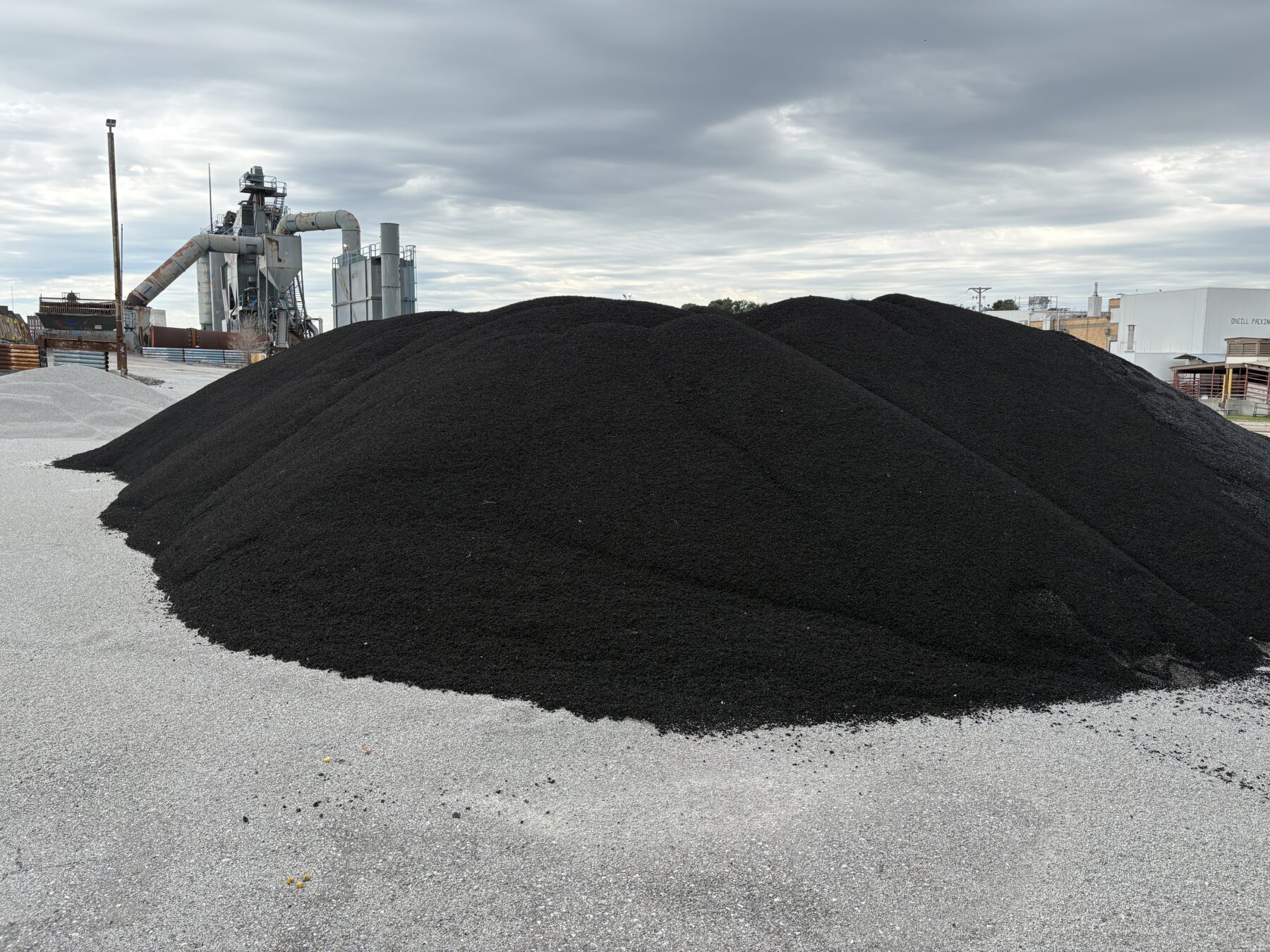
A well-placed cold mix patch can restore a smooth, solid surface to a driveway, walkway or parking area without hot asphalt or a paving crew. Cold mix asphalt, also called cold patch asphalt, comes ready to use, so a repair largely depends on the work done before and after the material goes into the hole.
How Should You Prepare the Damaged Area?
Preparation determines what the patch will bond to and rest on. Start by clearing out everything loose inside the hole: broken asphalt, gravel, dirt, leaves and standing water. A stiff broom, a flat shovel or a shop vacuum works well for most small repairs. Any debris left at the bottom can keep the cold mix from settling against a solid surface.
Next, look at the edges. Crumbling pieces along the rim should come out until you reach firm pavement. Clean, solid edges give the cold mix something to press against during compaction. If the pavement around the hole moves when you step on it or breaks apart as you clean, the patch can only be as stable as that surrounding surface.
Moisture and surface conditions vary by product. Some cold mix formulations tolerate a damp hole, while others call for a dry surface. Some manufacturers also recommend a primer or tack coat before placement. Read the product instructions before you begin, and follow those requirements over general advice.
How Do You Apply Cold Mix Asphalt?
Placing cold mix requires simple hand tools, and the manufacturer’s directions should guide the details. Check the label for recommended placement depth, whether to apply the material in layers and how much to overfill the hole. If the material feels stiff or hard to spread, look for handling guidance from the manufacturer rather than heating it or thinning it on your own.
Shovel the material into the hole and spread it toward the edges with a rake or shovel so it fills corners and gaps evenly. How much to mound the material above the surrounding pavement depends on the product’s application instructions and the degree of compaction expected, so check the label before placement.
Why Is Compaction So Important?
Compaction turns loose material into a stable patch. Pressing the cold mix down removes air pockets, packs the material tightly against the edges of the hole and creates a denser surface that holds up better under traffic.
An under-compacted patch leaves room for the material to shift, allowing tires to push it out of place and water to find its way into gaps along the edges.
The right tool depends on the size of the repair. A hand tamper works well for small driveway potholes and sidewalk-edge repairs. Larger patches, or repairs in commercial lots, often benefit from a plate compactor or a small roller, which apply more even pressure across a wider area. Check the manufacturer’s instructions for any specific compaction guidance.
Pay close attention to the edges, where the new material meets the existing pavement. That seam is often the first place a repair begins to loosen.
What Should You Do After Applying Cold Mix Asphalt?
Once you finish compacting, check that the patch sits level with the surrounding pavement. Lay a straight board across the repair to spot high or low areas. Add a small amount of material to fill low spots and compact again. High spots usually need additional compaction.
Traffic readiness depends on the product. Some cold mix formulations can handle vehicles soon after compaction, while others need more time to firm up. The manufacturer’s instructions give the best guidance on when the repaired area can return to normal use.
How Do You Maintain a Cold Mix Asphalt Repair?
Periodic inspection keeps small problems from growing. Look over the patch after heavy rain or a stretch of freezing and thawing, and watch for settling, edges pulling away from the pavement or loose material on the surface.
Drainage plays a large role in how long a patch holds up. Water pooling on or around the repair can work its way underneath and weaken the base. Make sure downspouts, gutters and runoff don’t direct water toward the patched area and keep the surface clear of debris that traps moisture.
Small depressions or worn spots can often be addressed with additional material and fresh compaction. A patch that repeatedly sinks or breaks apart in the same spot usually points to a problem below the surface.
Frequently Asked Questions
Can You Apply Cold Mix Asphalt Without a Compactor?
Yes, for many small repairs. A hand tamper is a practical option for compact potholes and limited areas. For larger repairs or specific surface conditions, check the manufacturer’s instructions for appropriate compaction methods.
How Long Should You Wait Before Driving on Cold Mix Asphalt?
Follow the manufacturer’s guidance, since readiness varies by product and conditions. Avoid sharp turns on a fresh patch; the twisting force from a steering wheel can disturb material that straight driving would not.
Can You Add More Cold Mix Asphalt to an Existing Patch?
Often, yes. Remove any loose or deteriorated material from the existing patch, clean the area and bring it back to a stable surface before adding new cold mix. Applying fresh material to a soft or shifting patch won’t improve the repair. Check the product instructions, since some formulations include specific guidance on compatibility with previously placed material.
What Causes a Cold Mix Asphalt Patch to Come Loose?
Poor edge preparation is one of the most common causes. When the rim of a hole isn’t cut back to solid pavement, the patch has nothing firm to press against and begins to separate at the seam. Insufficient compaction leaves air pockets that allow the material to shift under load. Water is another factor: if drainage pushes runoff toward the repair, it can infiltrate along the edges and soften the base beneath the patch. Repeated stress from turning vehicles concentrates force on a small area, which can accelerate loosening even in a well-placed repair.
How Should You Store Unused Cold Mix Asphalt?
Keep the container tightly sealed between uses and store it away from extreme heat, cold or prolonged sun exposure. Shelf life and storage conditions vary by product, so check the label before using leftover material to confirm it’s still in usable condition.
Careful preparation, solid compaction and regular inspections help a cold mix repair stay smooth and stable for as long as the conditions allow. OMNI Engineering supplies asphalt materials, including cold mix, for homeowners, businesses and maintenance teams taking care of their pavement.