

3 Factors That Have the Biggest Impact on Asphalt Parking Lot Performance
What makes an asphalt parking lot last for decades? Explore how proper base preparation, asphalt mix design and drainage contribute to longer-lasting pavement in Omaha, Nebraska.
August 1, 2026
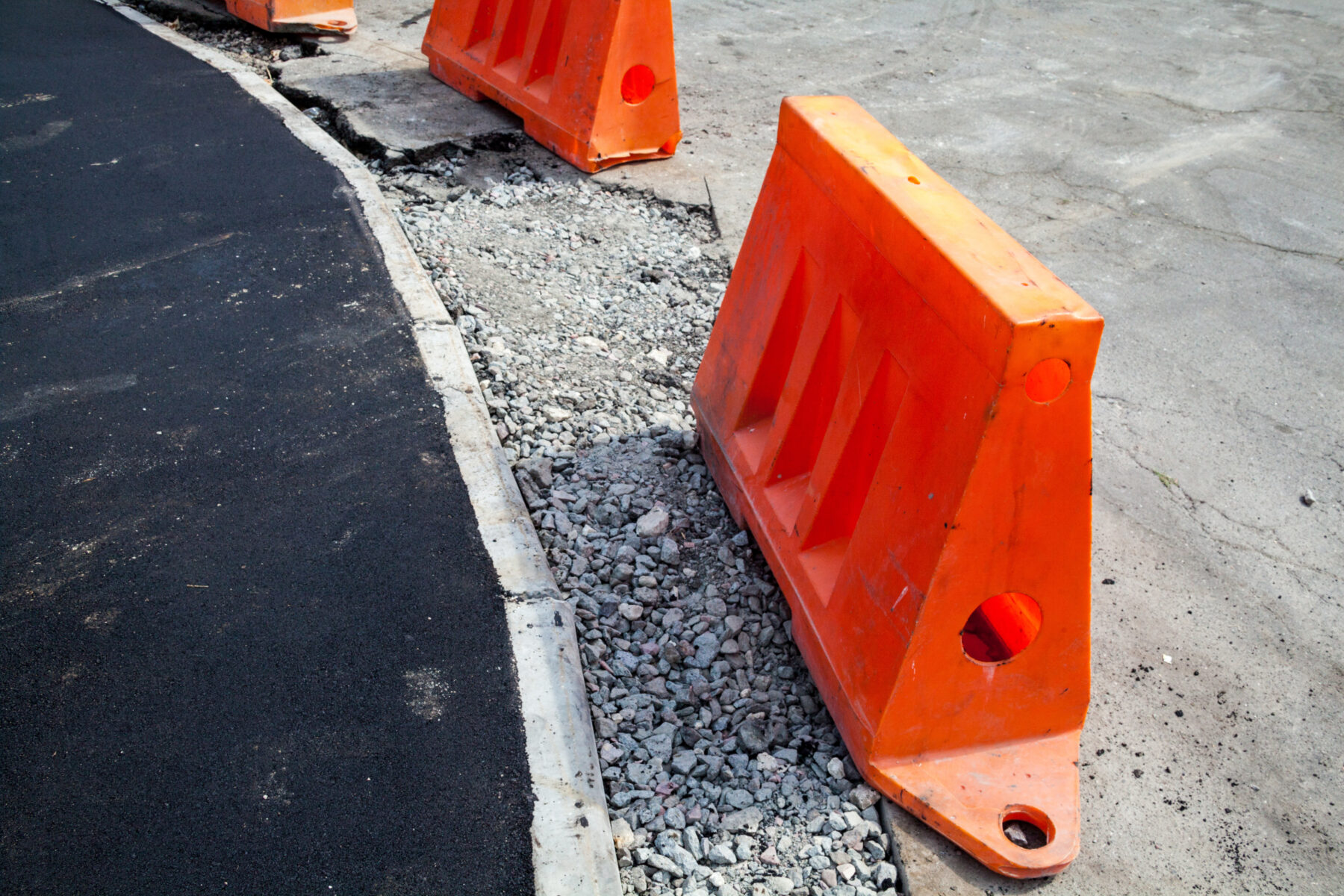
Asphalt parking lots are built to perform under real pressure. They handle daily vehicle traffic, seasonal temperature swings and the constant stress of an active site. The lots that deliver decades of reliable service share something in common: a set of foundational decisions made well before the first truck arrives.
Three factors stand out above the rest. Base preparation, mix design and drainage shape how well a parking lot performs long after the paving crew leaves. Understanding each one helps property owners and contractors invest in pavement that lasts.
- How Does Base Preparation Affect Asphalt Longevity?
The base is the foundation of every asphalt parking lot, and it does more work than the surface layer most people notice. A well-built base spreads the weight of traffic evenly across the ground below. When that support fails, the asphalt above it follows.
Base preparation starts with the subgrade, the natural soil that everything else rests on. Crews grade and compact this layer to create a firm, stable platform. On top of it goes an aggregate base, usually crushed rock, that adds strength and helps distribute loads.
A few elements make a base dependable:
- Proper compaction removes air pockets and locks the material in place.
- The right aggregate depth matches the expected traffic, with heavier loads calling for a thicker base.
- A stable subgrade free of soft or organic soil that can settle over time.
Skimping on the base saves money at the start but creates problems that surface within a year or two. Depressions, rutting and alligator cracking often trace back to a base that was too thin or poorly compacted. In a region like Omaha, where freeze-thaw cycles push and pull at the ground through winter, a solid base becomes even more important. A parking lot built on a strong foundation resists the movement that would otherwise tear weaker pavement apart.
- Why Does Asphalt Mix Design Matter So Much?
Once the base is ready, the quality of the asphalt itself takes over. Asphalt is a blend of aggregate, sand and a binder called bitumen that holds everything together. The proportions of that blend, known as the mix design, decide how the pavement handles traffic, temperature and time.
The right mix balances several needs at once. It has to be strong enough to carry vehicles, flexible enough to absorb stress without cracking and durable enough to shrug off sun and moisture. Getting that balance wrong leads to a surface that either cracks under pressure or softens and deforms in the heat.
Mix design comes down to a few core factors:
- Aggregate quality and gradation, which give the pavement its structure and load-bearing strength.
- Binder content, which controls flexibility and resistance to cracking.
- Air voids, which must stay within a tight range so the asphalt holds together without trapping too much water.
Consistency matters as much as the recipe. When every batch matches the specification, the finished lot cures evenly and performs the same across its entire surface. This is where local production capacity earns its keep. A paving operation running multiple asphalt plants and a large fleet across the Omaha area can supply a steady, uniform mix throughout a pour, which keeps the surface even and reduces weak transitions between loads.
A mix designed for the climate and traffic of a specific site outlasts a generic blend every time. Nebraska summers bring heat while winters bring hard freezes, so a mix built for those swings holds its shape and resists cracking across the full range of conditions.
- How Does Drainage Influence Parking Lot Performance?
Water is the quiet enemy of asphalt. Even a perfect base and an excellent mix will fail early if water has nowhere to go. Drainage ties the whole system together and protects the investment made in the layers below.
When water sits on the surface or seeps into the base, it weakens everything it touches. Trapped moisture softens the subgrade, erodes the aggregate and speeds up the freeze-thaw damage that plagues northern climates. Standing water also breaks down the binder in the asphalt, which leads to raveling and potholes.
Good drainage relies on a few design choices working together:
- Surface slope, typically a gentle grade that guides water toward drains or the edge of the lot.
- Proper grading that prevents low spots where water can pool.
- Drainage structures such as catch basins, curbs and channels that carry water away from the pavement.
Planning drainage during the design phase costs far less than fixing water damage later. A lot that sheds water quickly stays dry underneath, and dry pavement lasts. For properties across the Omaha area that face heavy rain in summer and snowmelt in spring, thoughtful drainage often determines whether a parking lot reaches its full service life or fails ahead of schedule.
Bringing the Three Factors Together
Base preparation, mix design and drainage do not work in isolation. A strong base supports the asphalt, a quality mix resists daily wear and proper drainage keeps water from undermining both. Weakness in any one area puts strain on the others and shortens the life of the pavement.
The most durable parking lots come from getting all three right from the start. That takes experience, quality materials and a paving partner who understands the local climate and soil. OMNI Engineering has served the Omaha, Nebraska area since 1985, growing from a single asphalt plant into an operation with six plants, more than 100 trucks and over 400 paving professionals. That scale and local knowledge translate into pavement built to handle the demands of the region.
Frequently Asked Questions
How Long Should an Asphalt Parking Lot Last?
A well-built asphalt parking lot lasts 20 to 30 years with proper maintenance. The lifespan depends heavily on the quality of the base, the mix design and the drainage. Regular sealcoating and prompt crack repair extend that service life considerably.
What Causes Asphalt Parking Lots to Crack So Quickly?
Early cracking usually points to a weak or poorly compacted base, a mix that does not match the climate or water that sits on and under the pavement. Freeze-thaw cycles make these problems worse, so lots in colder regions need extra attention to the base and drainage.
How Thick Should an Asphalt Parking Lot Be?
Thickness depends on the expected traffic. A standard passenger vehicle lot often uses two to three inches of asphalt over a compacted aggregate base of six inches or more. Lots that handle trucks or heavy equipment need thicker layers to carry the added weight.
Does Drainage Really Affect Asphalt Durability?
Yes. Water is one of the leading causes of asphalt failure. Poor drainage softens the base, erodes materials and accelerates freeze-thaw damage. A lot designed to move water off the surface and away from the base holds up far longer than one that lets water pool.
When Is the Best Time to Pave an Asphalt Parking Lot?
Late spring through early fall usually offers the best conditions for asphalt paving. Warm, dry weather helps the mix compact and cure properly. Paving in cold or wet conditions can compromise the bond between layers and reduce the overall quality of the finished surface.