

What Is an Asphalt Binder and Why Does It Matter for Pavement Performance?
Asphalt binder holds the stone in an asphalt mix together and plays a key role in pavement performance. Learn how binder grades affect resistance to summer rutting, winter cracking, and long-term wear, and why selecting the right binder matters for pavement durability.
November 1, 2026
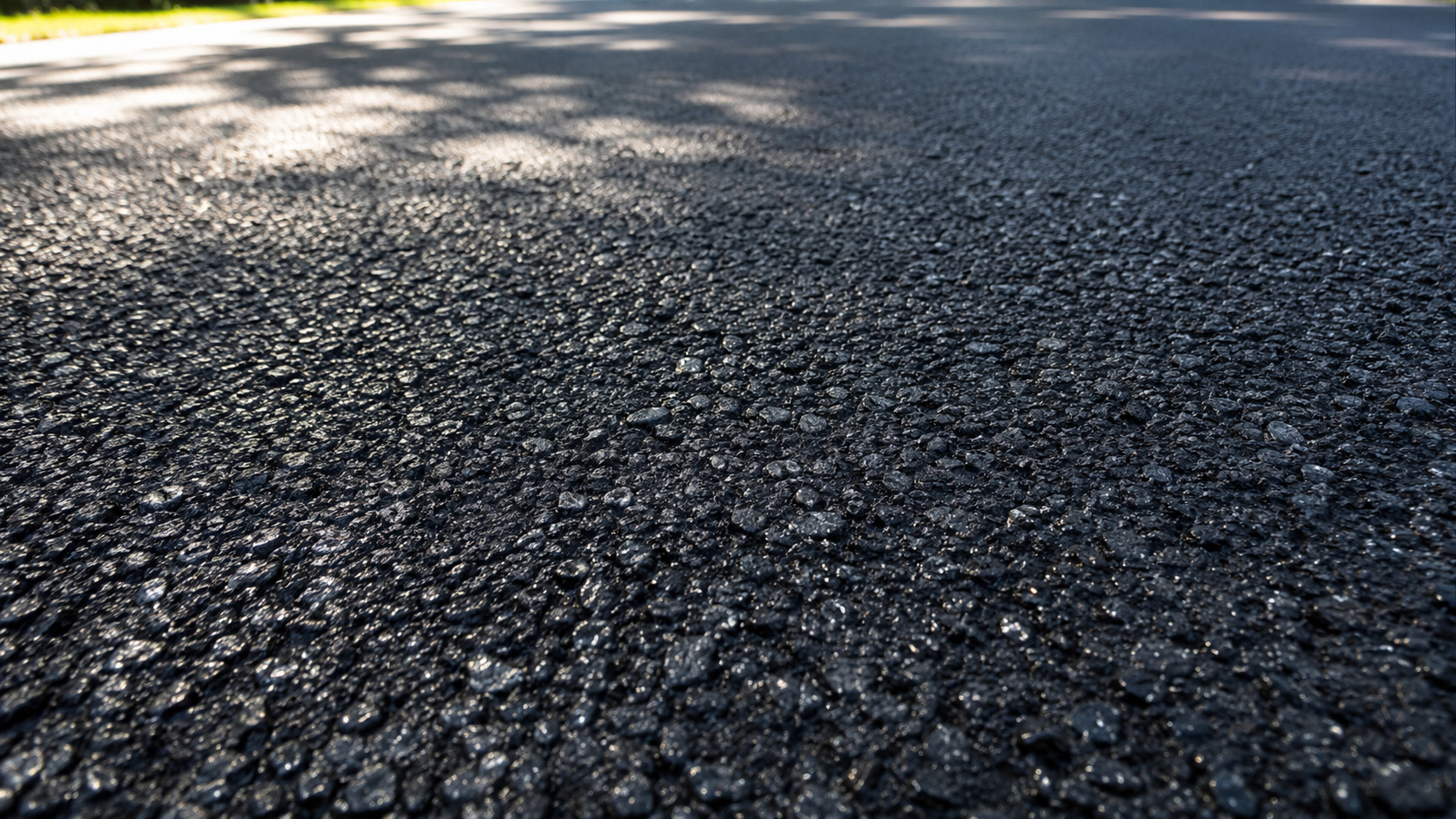
Asphalt binder is the black, sticky material that coats the stone in an asphalt mix and holds the pavement together. Although it makes up only a small percentage of the finished mix, it plays an important role in how pavement responds to traffic, summer heat, winter cold, and years of exposure to the elements. Different binder grades are designed to handle different conditions, making the right selection an important part of building pavement that performs well over time.
Where Asphalt Binder Comes From
Crude oil is where asphalt binder starts, as the heavy residue left after refineries distill off lighter fuels. It generally accounts for about 4 to 8 percent of a hot mix by weight, with crushed aggregate and sand making up the rest. At the plant, the binder is heated until it thins enough to coat each particle, then it stiffens again as the mix cools behind the roller.
The term covers straight asphalt cement as well as blends that add polymers or other modifiers to widen the temperature range the binder can handle. Inside hot mix asphalt, that thin film of binder glues the stones together and seals the mat against water. Mix designers set the binder content in the lab for each mix, because a film that runs too thin leaves surface stone loose under traffic.
How Is Asphalt Binder Graded?
Because asphalt binder softens in heat and stiffens in cold, each binder carries a performance grade, or PG, naming the pavement temperatures it is rated to handle. A grade written as PG 64-22 lists two numbers in degrees Celsius, the first for the hottest pavement temperature and the second for the coldest. Lab tests check the binder at both ends of that range, including on samples artificially aged to mimic years of service.
Binder grades are selected for the local climate, so the numbers shift from one region to the next. Grades commonly used on Nebraska paving work carry a low-temperature rating of minus 34°C, about minus 29°F, set for the hard cold snaps that Omaha winters regularly bring.
Asphalt Binder in Summer Heat
Summer pavement can reach 140 to 160°F on the hottest afternoons, and asphalt binder softens as it warms. A binder graded too low for that heat lets the mix creep under loaded tires, pressing ruts into the wheel paths and shoving ridges where trucks brake and turn. A binder rated for a hotter top temperature keeps its grip on the stone through those afternoons.
Binder grade does that work alongside the aggregate in the mix. Angular crushed stone locks into a skeleton that carries much of each wheel’s weight, while the binder holds that skeleton in place, and a shortfall in either one shows up as summer rutting.
Asphalt Binder in Winter Cold
Winter cold works on asphalt binder from the opposite direction, stiffening it while the pavement itself contracts. Once the binder grows too stiff to relax that contraction, the pavement cracks straight across the lane, often at fairly regular intervals. Those transverse cracks are the standard sign of thermal cracking, and a low-temperature rating matched to local winters is what keeps them in check.
Each crack that opens gives snowmelt a path down to the base, where repeated freezing and thawing widens the gap and softens the support beneath it. Cracks sealed in spring or fall keep that water at the surface while the surrounding binder is still sound.
Why Asphalt Binder Hardens With Age
Even a binder matched to its climate changes once the pavement is in service, because oxygen and sunlight slowly harden asphalt binder at the surface. That oxidation starts during mixing at the plant and continues for the life of the pavement, fading the surface from black toward gray. Hardened binder loses its grip on the fine particles at the surface, leaving larger stone exposed and more prone to cracking in cold weather.
A sealcoat slows that aging by covering the surface with a thin asphalt emulsion that blocks sunlight and water. Asphalt-based sealers commonly go down somewhere between 90 days and two years after paving, depending on weather and how thick the mat is. Binder that has already hardened stays hard under a sealcoat, so pavement with widespread cracking usually calls for milling and fresh asphalt paving instead.
Why Asphalt Binder Selection Matters for Long-Term Performance
The right asphalt binder helps pavement withstand temperature changes, heavy traffic, and everyday wear without deteriorating prematurely. While binder selection is only one part of a successful asphalt mix, it plays an important role in limiting cracking, rutting, and other forms of surface damage. Combined with quality aggregate, proper installation, and ongoing maintenance, the right materials help extend pavement life and reduce the need for costly repairs.
OMNI Engineering produces hot mix and warm mix asphalt for roads, driveways, and parking lots throughout the Omaha area. Whether you’re planning a new paving project or resurfacing existing pavement, selecting materials suited to the application helps build a surface that performs reliably over time. Contact OMNI Engineering to discuss your upcoming asphalt paving needs.