

When and Where Should You Use Cold Mix Asphalt?
Cold mix asphalt offers a practical way to repair potholes and localized pavement damage, especially when hot mix isn't available. Learn when cold mix works best, how weather and traffic affect performance, and when a more permanent repair may be needed.
October 20, 2026
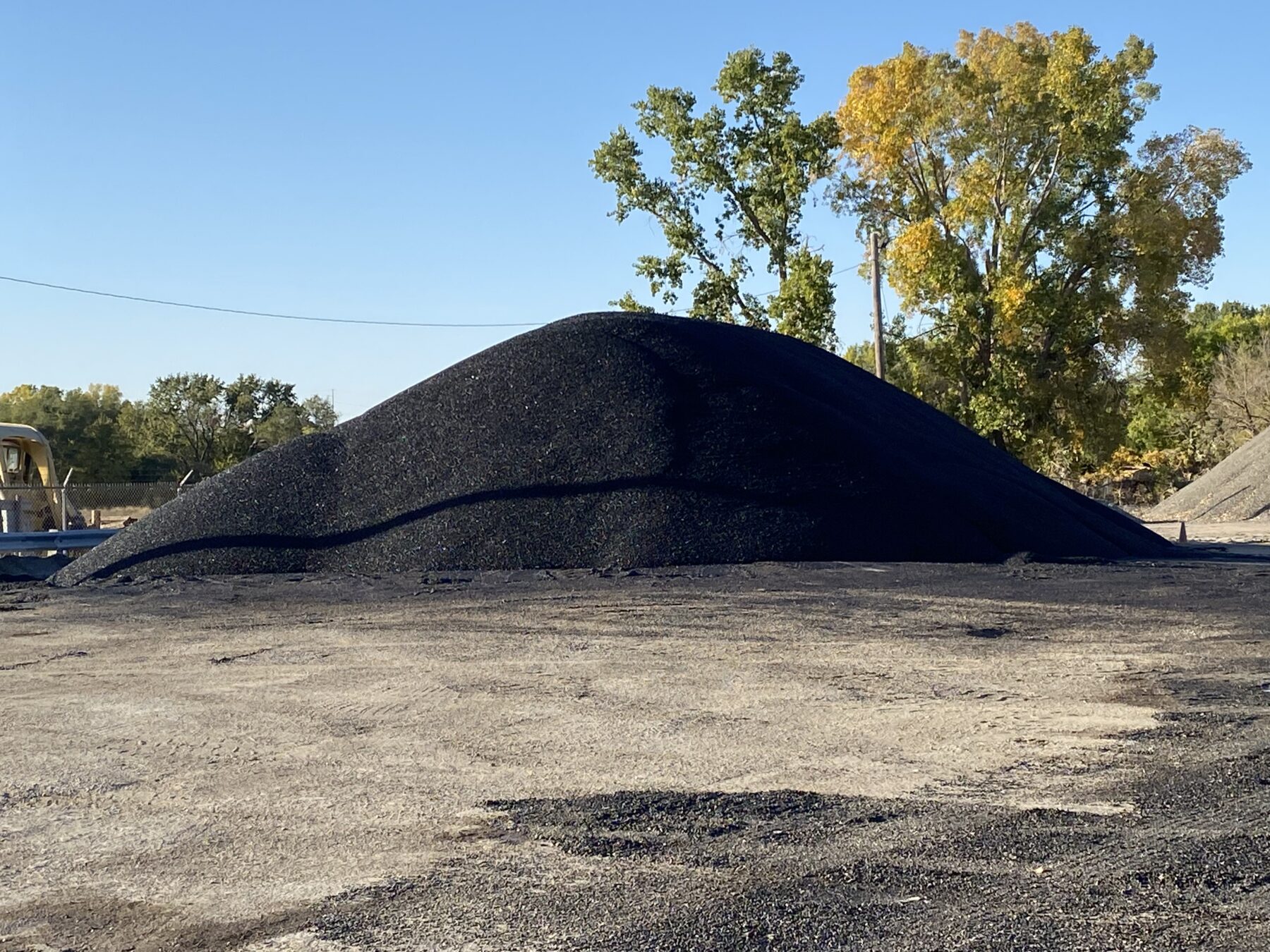
Pavement damage rarely stays contained. A pothole that looks minor in the fall can double in size by spring. Whether cold mix asphalt is the right fix depends on the size of the damaged area, the condition of the surrounding pavement, the traffic it carries and the weather. Understanding those factors helps you decide whether a cold patch will hold or whether the situation calls for a different approach.
When Is Cold Mix Asphalt a Good Choice?
Cold mix works best on damage contained to a specific spot. A pothole in a driveway or a small section where pavement has broken away are typical examples. In each case, the surrounding asphalt is still solid. The problem is a missing piece, not a failing surface.
A patch holds up best when it has firm pavement around it and a stable base beneath it. If you can see a clear edge where good asphalt ends and the hole begins, cold mix is often a reasonable fit.
It also makes sense for repairs that can’t wait. Damage near a building entrance or in a heavily used section of a lot can create hazards long before a paving contractor has an opening. Many property owners use cold mix to keep a surface safe and functional when resurfacing is already in next year’s budget.
For homeowners, small isolated repairs are often manageable without hiring a contractor or renting specialized equipment.
Can You Use Cold Mix Asphalt in Cold Weather?
Cold mix gets more attention in late fall and winter because traditional hot mix asphalt becomes harder to get. Hot mix has to stay hot from the plant to the job site, and many asphalt plants in colder regions reduce production or shut down for the season. Cold mix doesn’t depend on that supply, so it gives you a way to address potholes that open up after freeze-thaw cycles instead of waiting until spring.
That doesn’t mean every product works in every condition. Temperature affects how easily the material spreads and how quickly it firms up. Standing water, snow or ice in a hole can interfere with how well a patch bonds to the surrounding pavement. Winter potholes also tend to form where water has already weakened the area underneath, which can limit how well any patch performs.
Check the manufacturer’s guidance before relying on a cold weather repair. In many cases, a winter patch works best as a way to keep a surface safe and usable until conditions allow for a more thorough fix.
Is Cold Mix Asphalt Suitable for Driveways and Parking Lots?
Residential and commercial settings place different demands on a patch.
A residential driveway carries lighter traffic than most commercial surfaces, and a small, contained pothole there is often a reasonable candidate for a cold mix repair.
A commercial parking lot puts more stress on a repair. Heavier vehicles, repeated braking and high daily traffic create conditions that a residential driveway rarely sees, and a patch in a high-use area will be tested more quickly than one in a quieter spot.
For property managers and maintenance teams, the key question is whether a repair needs to address an immediate hazard or hold up under sustained use. Cold mix can be a practical response to a new pothole in a lower-traffic area, but high-use lanes and surfaces that carry heavy vehicles may call for a more durable repair method.
When Should You Use a Different Asphalt Repair Method?
Some pavement problems go deeper than the surface. Alligator cracking, a web of connected cracks that resembles reptile skin, usually signals a weakened base beneath the asphalt. Sinking areas, ruts and pavement that flexes under weight point to the same issue. A patch over an unstable base can only be as solid as what lies underneath it.
Widespread deterioration is another warning sign. If potholes keep appearing across a driveway or lot, or new damage forms around old patches, the surface may be nearing the end of its service life. Patching each spot as it appears can become an ongoing expense that never addresses the real problem.
Surfaces that carry heavy trucks, serve loading operations or handle constant traffic may be better suited to hot mix asphalt or a full-depth repair. A paving contractor can assess the base and recommend an approach that fits the conditions.
Frequently Asked Questions
Does Every Cold Mix Product Perform the Same in Winter?
No. Manufacturers formulate products for different conditions, and some target colder or damper weather specifically. Read the label for temperature and moisture guidance before you buy, especially for repairs between late fall and early spring.
Is Cold Mix Asphalt a Temporary or Permanent Repair?
It can serve as either. Performance depends on the product, the surrounding pavement, traffic levels and the quality of the repair. A well-placed patch in a low-traffic area may hold for a long time, while the same material in a busy lane may need attention sooner.
Can a Maintenance Team Use Cold Mix Across an Entire Parking Lot?
Cold mix suits localized repairs, not large-scale paving. When damage covers a large portion of a lot, resurfacing or reconstruction usually makes more sense than patching dozens of separate areas. Many teams use cold mix to manage isolated potholes between larger paving projects.
Do You Need to Seal a Cold Mix Patch After It Cures?
Sealing recommendations vary by product. Some cold mix formulations may benefit from a sealcoat as part of routine pavement maintenance, while others do not require it. Check the manufacturer’s guidance for the specific product you use before deciding whether sealing is appropriate after a repair.
Can Cold Mix Asphalt Be Used on Gravel or Unpaved Surfaces?
Suitability depends on the product formulation, surface preparation and intended application. Some cold mix products may be used in situations without an existing asphalt surface, while others are designed specifically for asphalt-to-asphalt repairs. Check the manufacturer’s guidance for the product you are using before applying it to gravel, compacted base or an unpaved area.
Choosing the right repair depends on the damage, where it sits and how the surface gets used. Cold mix asphalt suits contained potholes and situations where hot mix isn’t available or practical. OMNI Engineering supplies asphalt materials, including cold mix, for homeowners, businesses and property teams evaluating their repair options.