

How Deicing Chemicals Impact the Longevity of Asphalt Pavements
Deicing chemicals become part of the asphalt surface the moment they are applied. Once in place, they influence how moisture moves through the pavement, how binder ages at the surface, and how the structure responds to repeated winter loading. These effects accumulate quietly across seasons, shaping durability long after snow events pass. Recognizing this interaction early allows asphalt systems to be designed and maintained with long-term performance in mind.
December 23, 2025
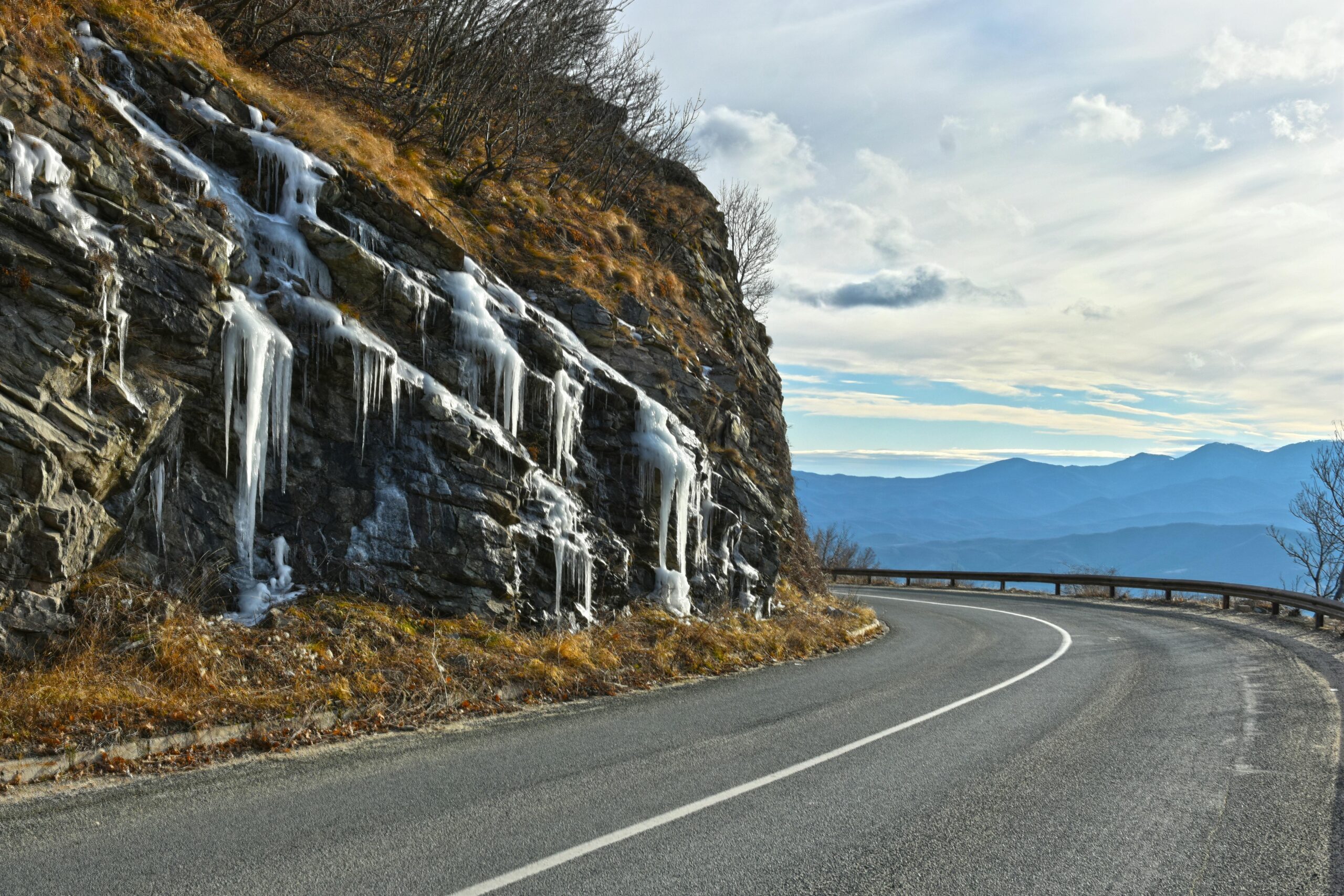
Asphalt pavements are engineered to balance flexibility and load distribution through changing temperatures. That balance depends on internal cohesion between binder and aggregate, along with controlled air void structures. Introducing winter treatment chemicals adds an external variable that gradually shifts how pavements age, absorb moisture, and respond under repeated traffic loading.
How Deicing Chemicals Interact with Asphalt Surfaces
Most deicing products rely on chloride compounds that lower water’s freezing point. Once applied, these materials dissolve into brine that remains in contact with the pavement surface longer than dry salts. From there, the solution migrates into surface textures, small cracks, and interconnected air voids that naturally exist within asphalt mixtures.
As that brine moves inward, moisture reaches zones designed to remain relatively dry. Exposure at this level weakens adhesion between asphalt binder and aggregate particles. Over time, reduced bond strength lowers internal cohesion, leaving surface material more susceptible to raveling as traffic applies shear forces at the pavement face.
Moisture Damage Amplified by Freeze-Thaw Cycling
Chemical presence alone does not drive pavement deterioration. Freeze-thaw cycling intensifies the impact by repeatedly expanding and contracting moisture trapped within the asphalt structure. In regions with frequent temperature swings, this internal movement becomes a dominant factor in surface and structural breakdown.
When brine freezes, it expands within void spaces and microfractures. Thawing reverses the process, allowing moisture to migrate deeper before refreezing. Each cycle increases internal stress, widening cracks and reducing density. Pavements that once accommodated seasonal movement begin to lose structural continuity as moisture and chemical interaction persist beneath the surface.
Accelerated Binder Aging in High-Exposure Areas
Surface performance is also shaped by how asphalt binder responds over time. Chloride based products accelerate oxidation in areas exposed to repeated applications, including intersections, ramps, and bridge decks. Oxidation stiffens the binder, limiting its ability to flex during cold temperature loading.
As the surface hardens, thermal stress concentrates instead of dissipating. Cracks form earlier and propagate more quickly, opening pathways for additional moisture and chemical intrusion. This feedback loop advances surface distress well ahead of expected service life benchmarks.
The Influence of Mix Design and Aggregate Selection
Not all asphalt pavements respond the same way to winter treatments. Mix design plays a defining role in how chemical exposure affects long-term performance. Dense graded mixtures with tightly controlled air voids restrict brine movement, while more open structures allow moisture to travel freely through the pavement matrix.
Aggregate selection further influences durability. Materials with strong affinity to asphalt binder maintain adhesion even in moisture-rich environments. When paired with proper gradation and compatible binder selection, these aggregates reduce stripping potential and slow surface degradation. In winter-driven climates, such material decisions directly shape how pavements endure repeated chemical exposure.
Maintenance Strategies That Preserve Pavement Integrity
Winter safety still requires chemical application, but maintenance strategy determines long-term impact. Calibrated application rates and pre-wetting practices reduce excessive chemical buildup while maintaining effective ice control. These approaches limit saturation without compromising roadway performance.
Surface treatments add another layer of protection. Sealcoats and rejuvenators restore binder flexibility while closing surface voids that allow moisture intrusion. Applied proactively, these treatments slow chemical penetration and reinforce surface resilience before deeper structural damage develops.
Designing Asphalt Systems for Chemical Exposure
Longevity improves when chemical exposure is addressed during the design phase. Enhanced binders, anti-stripping additives, and performance-based testing help asphalt mixtures tolerate moisture and chemical interaction. Polymer-modified binders, in particular, improve flexibility while maintaining strength under thermal stress.
Integrating these materials into mix designs from the outset allows pavements to recover under traffic while resisting internal degradation. The result is a surface that maintains structural continuity and load-carrying capacity through harsh winter conditions without sacrificing durability.
These chemicals remain a necessary component of winter roadway management. Moisture intrusion, binder aging, and freeze-thaw stress interact continuously within asphalt pavements. Through informed material selection, intentional mix design, and timely maintenance strategies, pavements can withstand chemical exposure while sustaining long-term performance expectations. Each specification decision shapes how effectively asphalt carries traffic through winter and beyond.